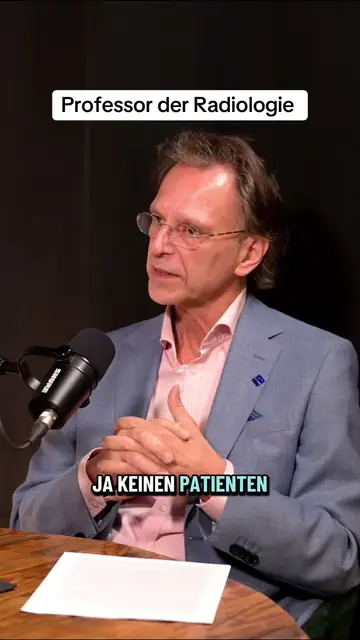
That is how thin a 4 French catheter is. With it, interventional radiologists today treat many conditions that used to require surgery. In the podcast, Prof. Dr. Peter Minko and his colleagues explain how it works.
What brings you here?
The intro · 1:23
Episodes
Every episode comes with an article featuring images, interactive explainers and quotes that jump straight to the right moment in the conversation.
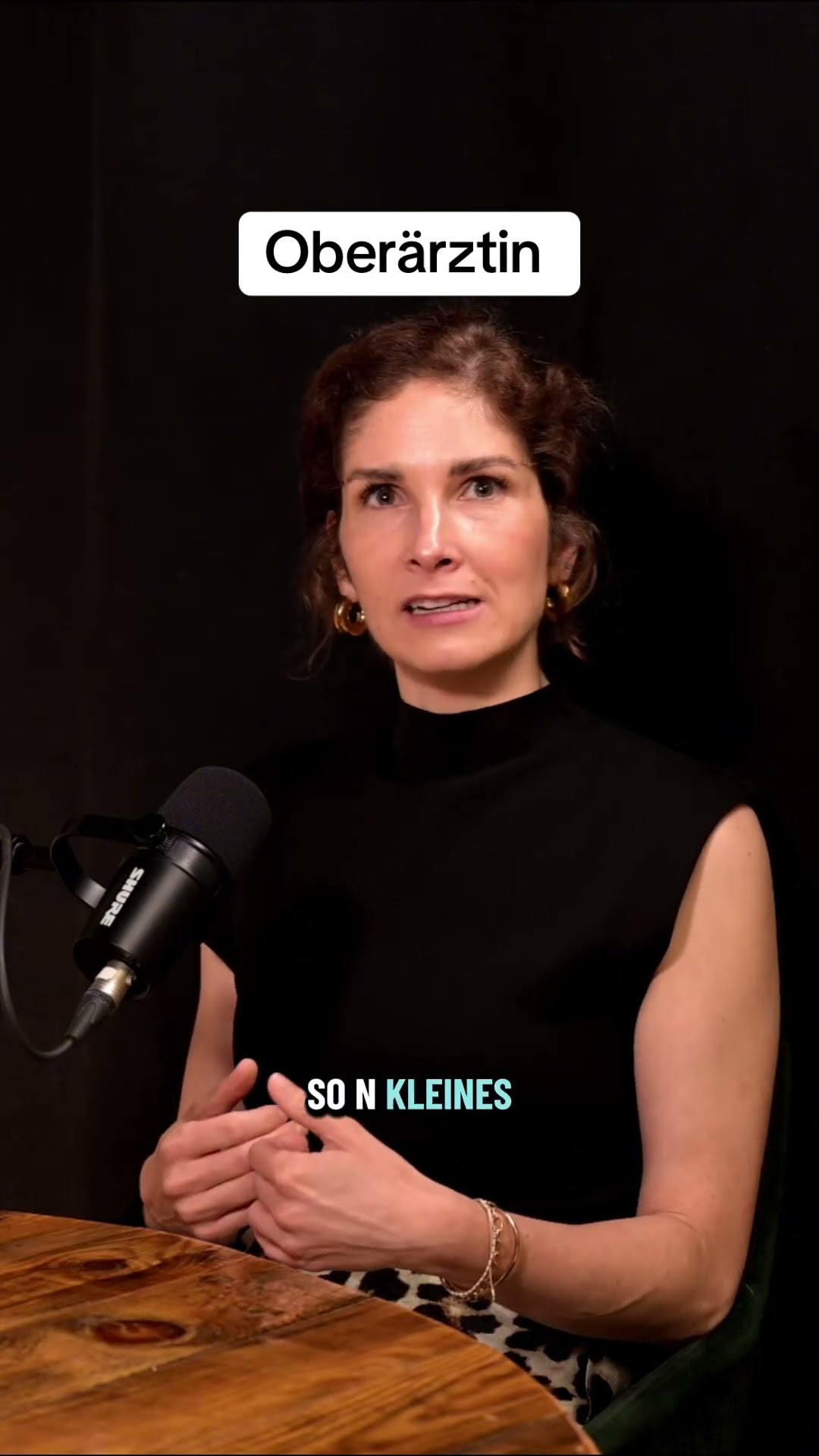
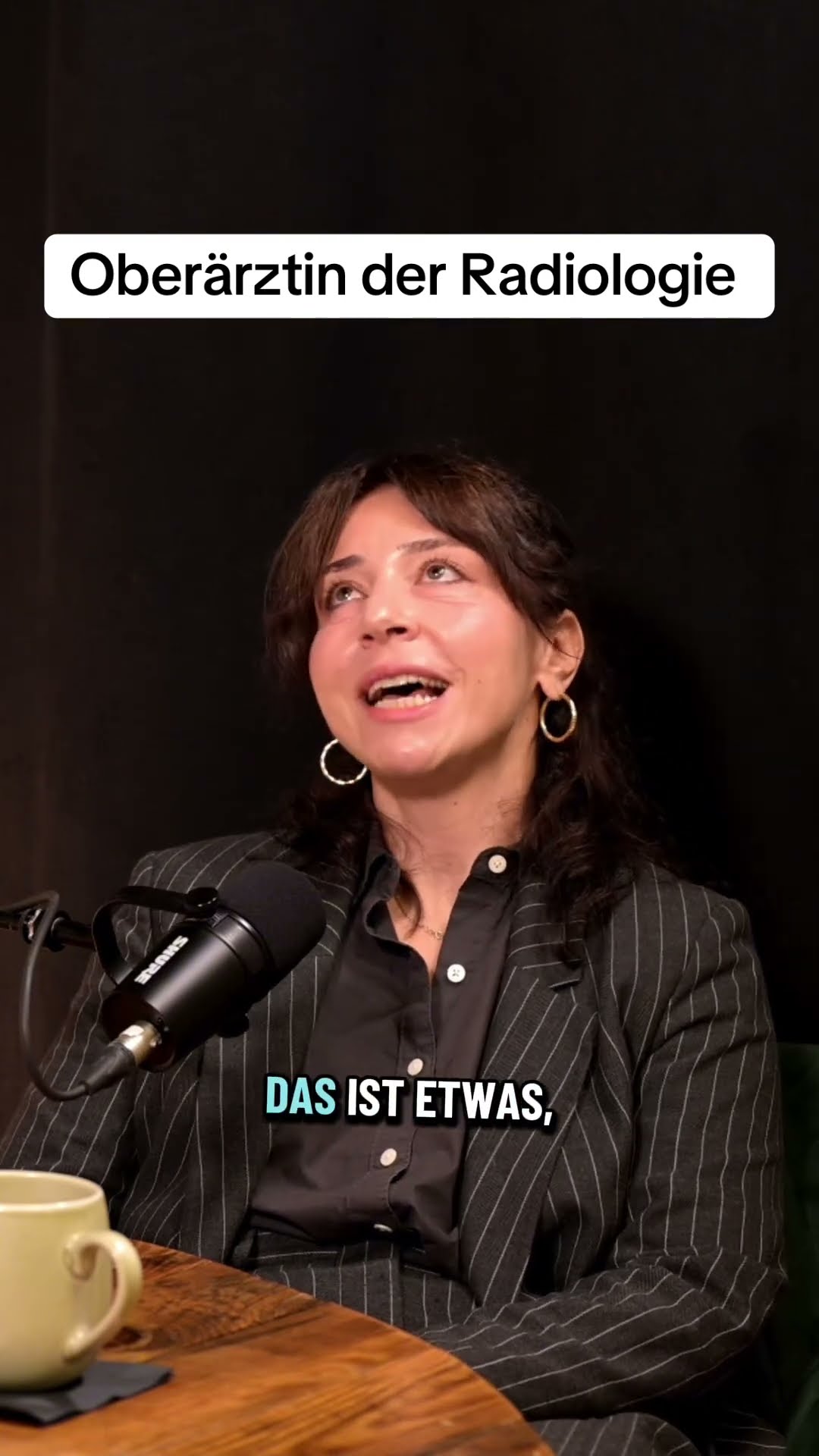
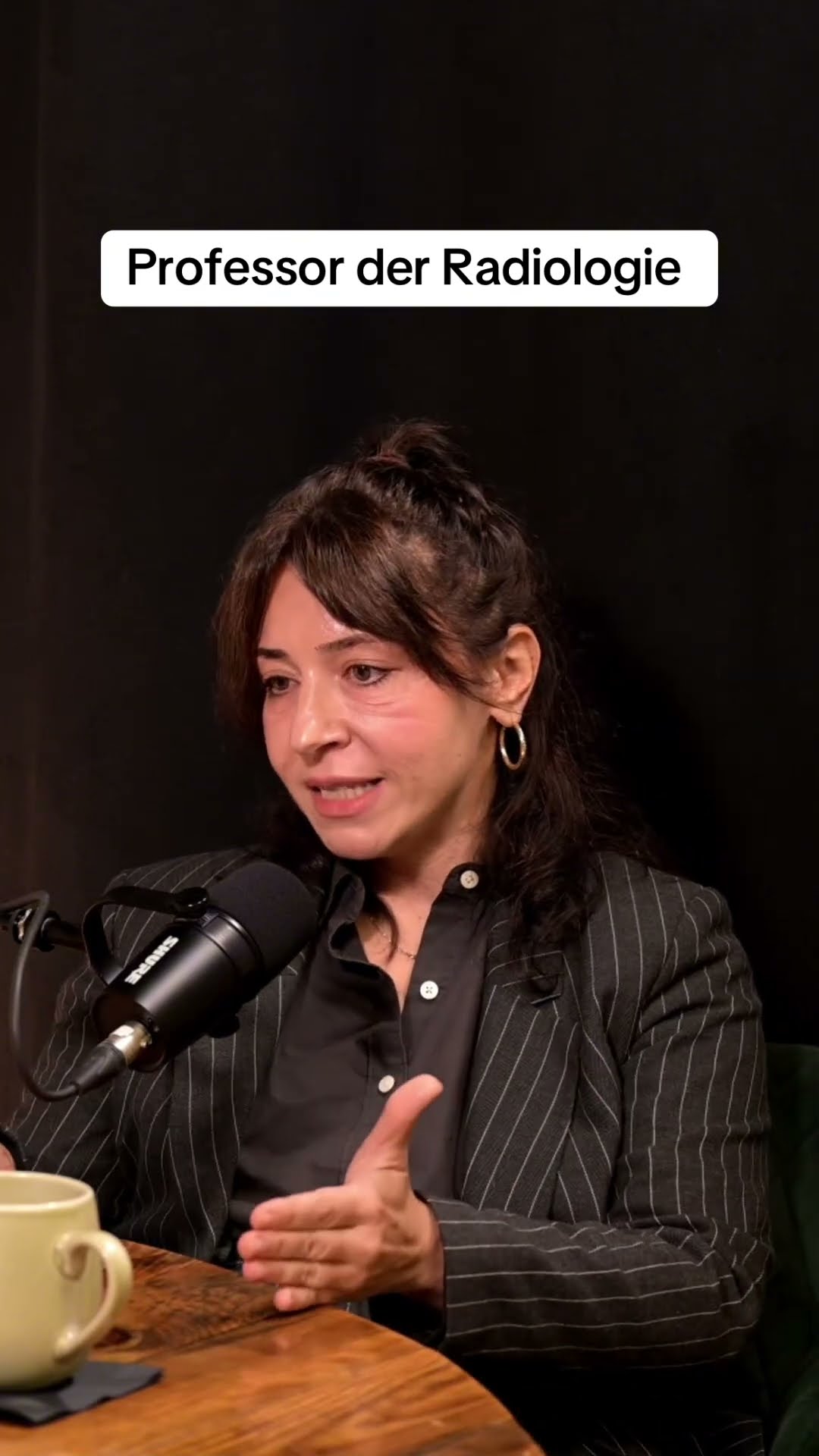
Long paths to diagnosis, pain despite an artificial knee, and relief after a nerve block: Peter Minko and his colleague Dr. Elif Can discuss the possibilities and limitations of interventional pain therapy.
Severe period pain, heavy bleeding, and often the phrase "Just pull yourself together." Dr. Cornelia Dewald explains what fibroids and adenomyosis are, how to reliably detect them, and why the uterus can often be preserved.
Over 1.5 billion people have pain in their musculoskeletal system. Alexander Loizides from Innsbruck explains how he treats carpal tunnel syndrome through a 3-millimeter incision and how closing off tiny vessels can help with osteoarthritis and irritated tendons.
Almost everyone is familiar with X-rays, CT, and MRI. Very few people know that radiologists also perform treatments. Prof. Thomas Helmberger, one of the pioneers of the specialty in Germany, explains how treatments through a small nick work, from strokes to liver tumors.
Prof. Dr. med. Thomas HelmbergerRead and listen
Explained briefly
The shorts from the episodes. Each clip leads to the full passage in the conversation.
New from episode 04 · What can interventional pain therapy achieve?
Why 4 French?
The name
4 French= 1.33 mm
That is how thin the catheter is that gave the podcast its name. One French is a third of a millimetre.
1 F0.33 mm
2 F0.67 mm
3 F1.00 mm
4 F1.33 mm
Lines shown at roughly actual size
Step 1 · Access
A small puncture instead of an incision
Often a small access point to an artery is enough, for example in the groin.
Step 2 · Navigation
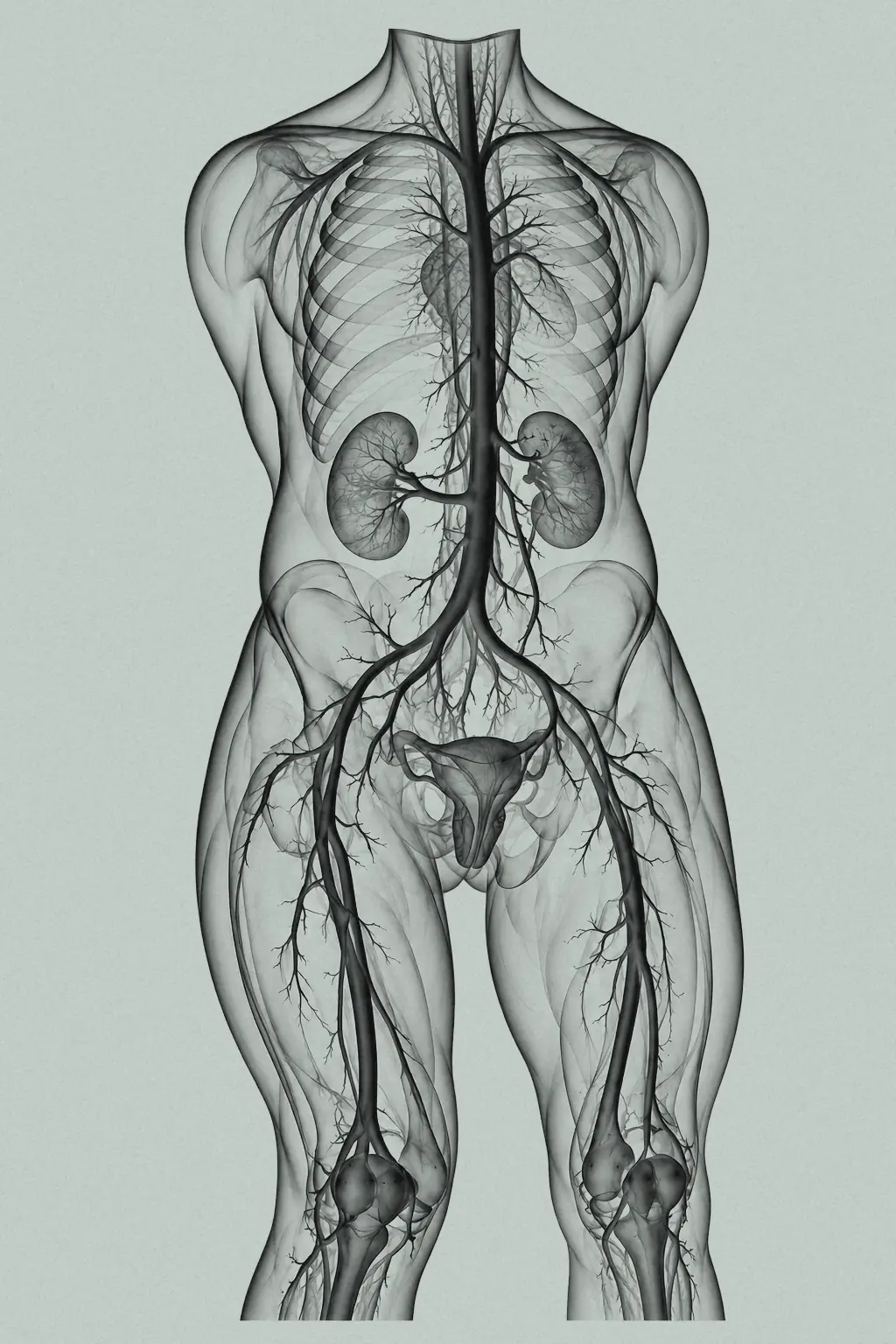
Through the vessels under X-ray guidance
Contrast agent makes the vessels visible on the X-ray image. This lets radiologists steer the catheter to the exact spot that needs treatment.
Step 3 · Treatment
Treating the problem where it is
For example, fibroids. Dr. Cornelia Dewald explains how it works and who it is suitable for in episode 03.
R
Angiography · illustration
Prof. Dr. Peter MinkoHost
About 4French
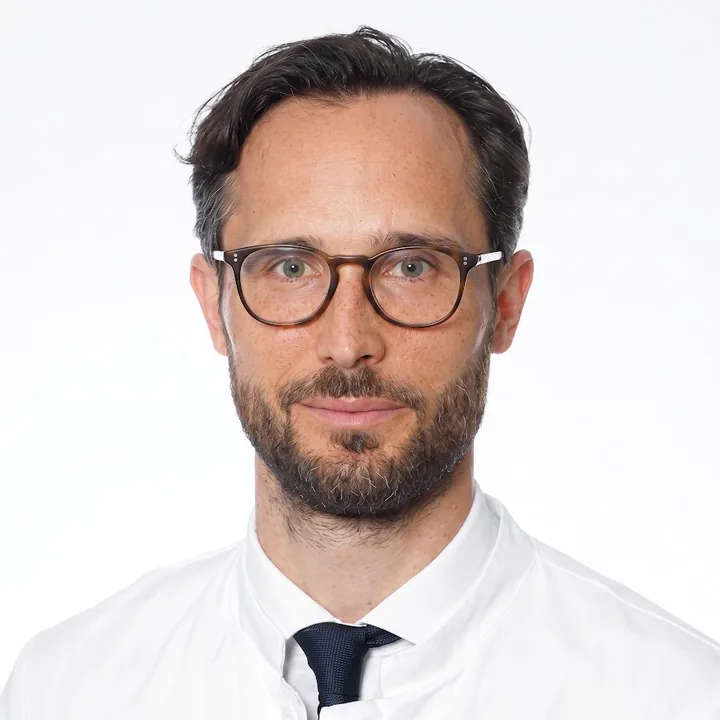
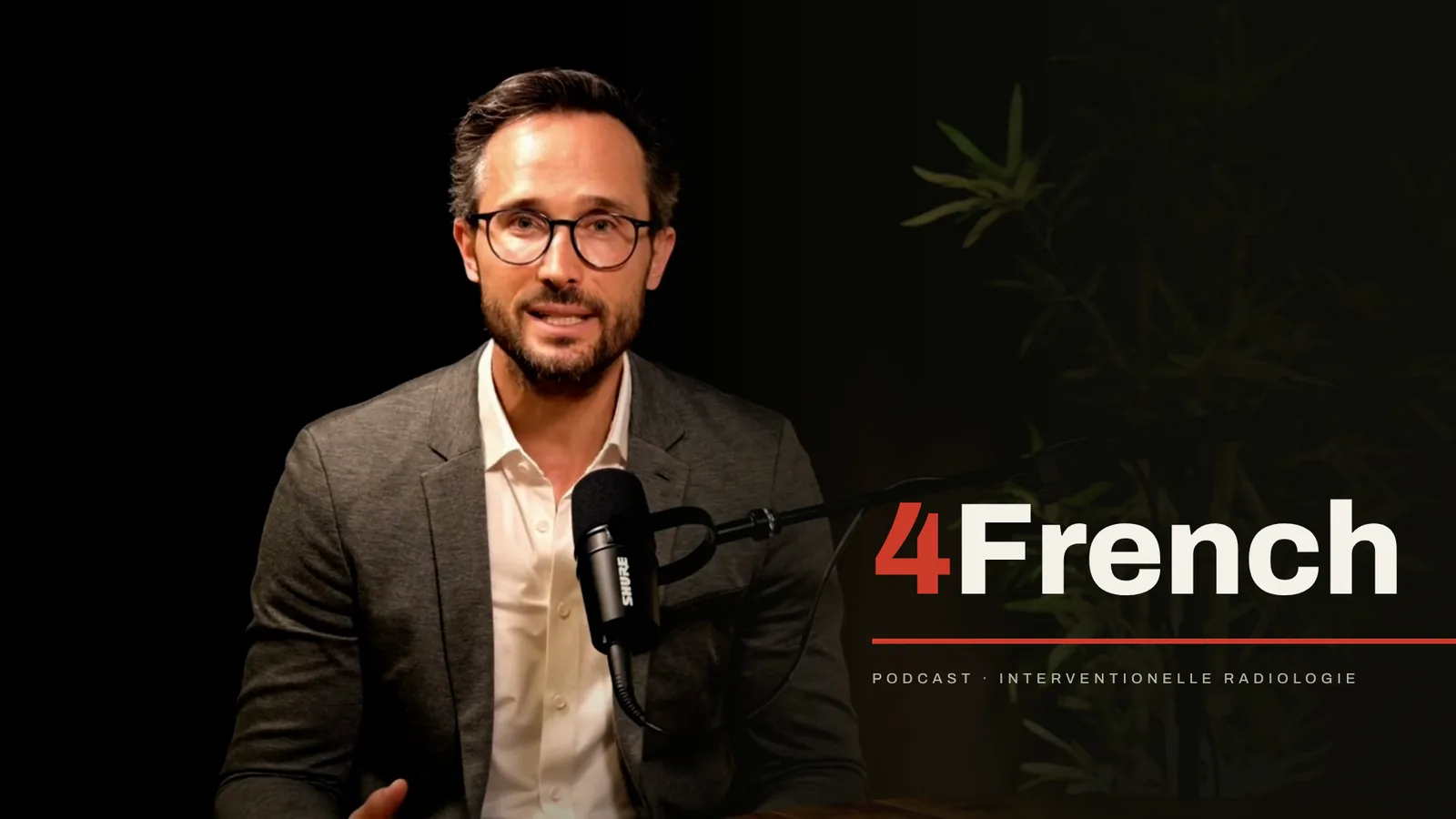
Peter Minko is Professor of Interventional Radiology at Düsseldorf University Hospital. He treats patients through the blood vessels – medicine through a needle.
In 4French he talks with colleagues about a specialty that makes many treatments possible without a large incision, yet that hardly anyone knows about.

 Dr. med. Elif Can, M.A.Read and listen
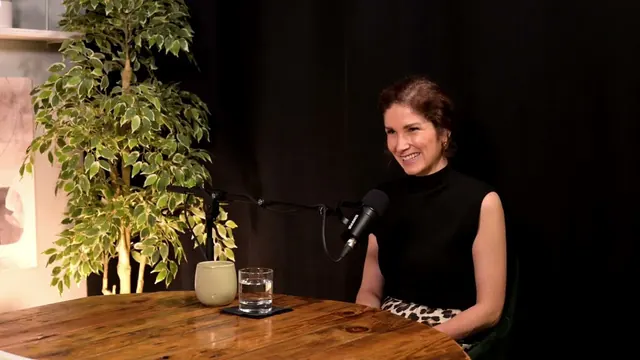
 Dr. med. Cornelia Dewald
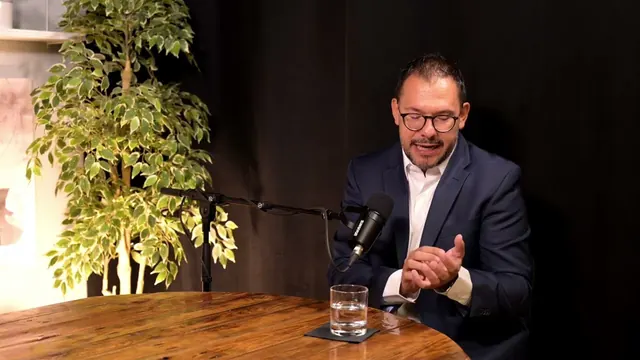
 Dr. med. Alexander Loizides
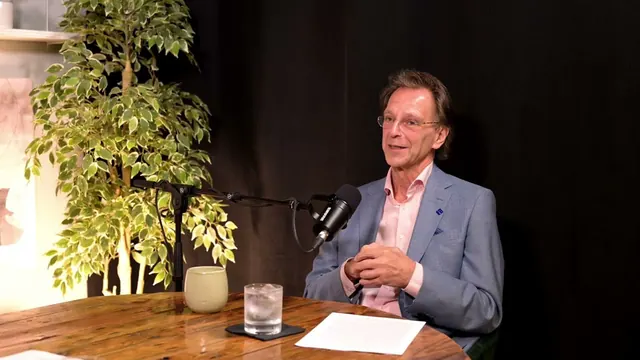
 Prof. Dr. med. Thomas Helmberger